Our Lifting Edges
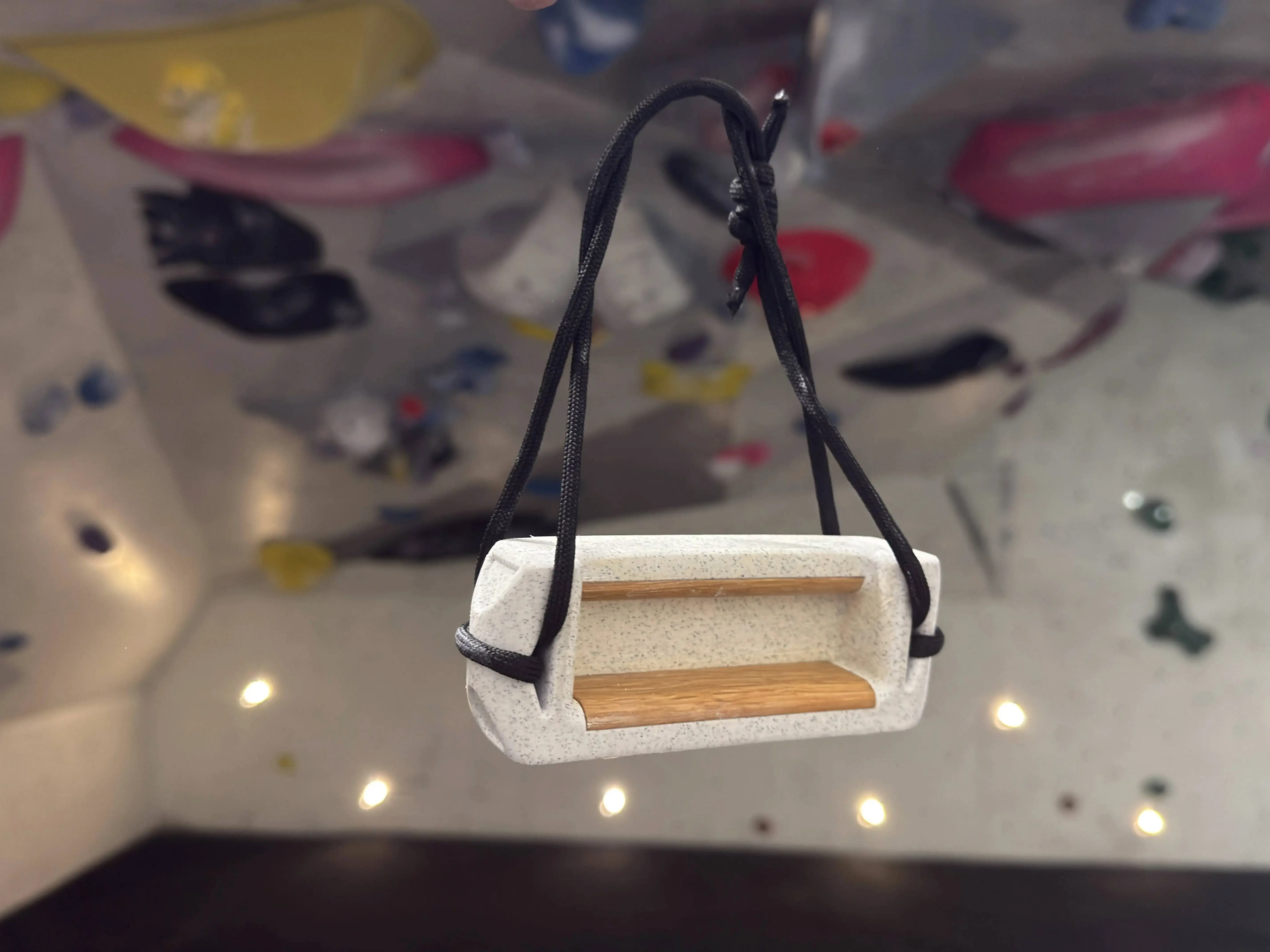
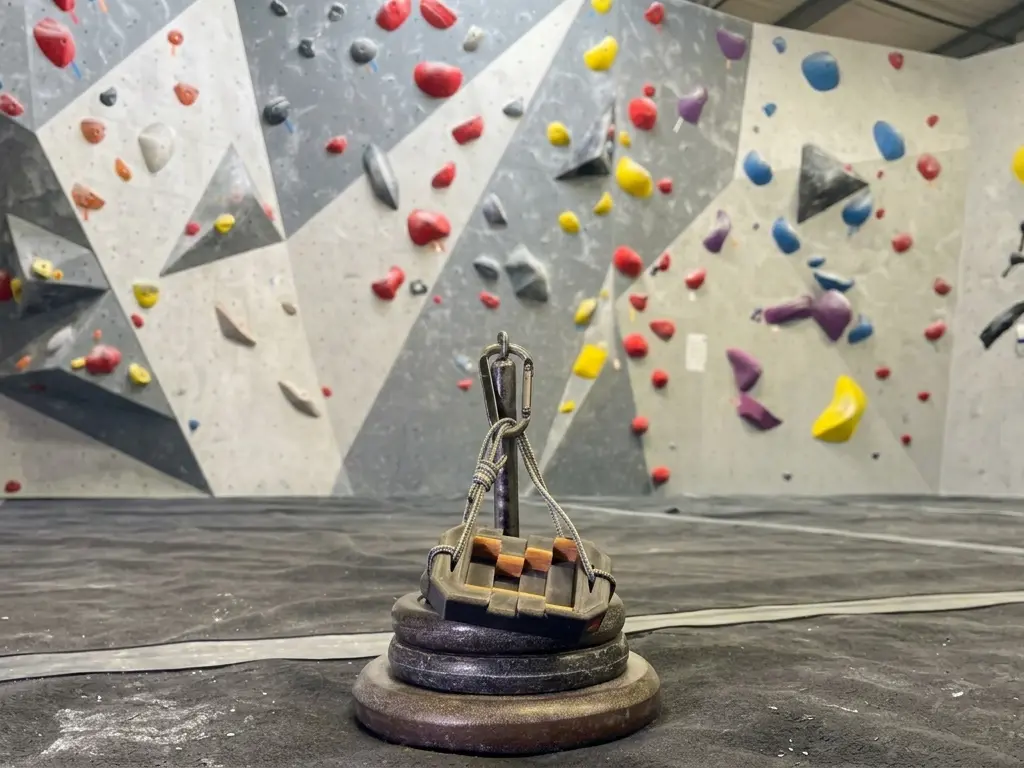
Ergo Series
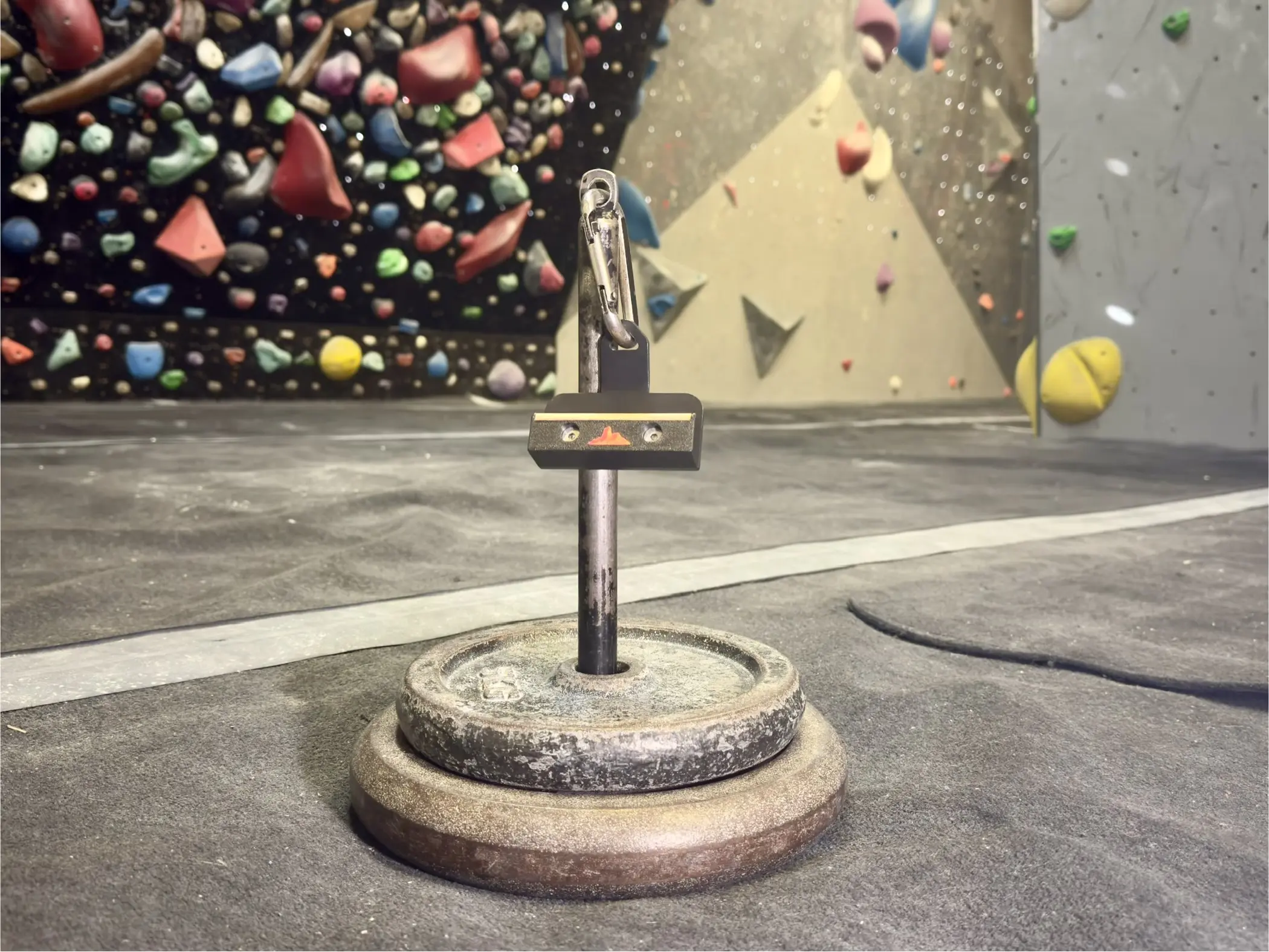
Forge Series
Why Ergo Edges?
Crafted with authentic wooden contact surfaces, our Ergo Edges provide enhanced friction and a more natural feel than traditional plastic or resin holds. The ergonomic shape is designed to reduce strain on tendons while supporting more effective, controlled, and comfortable training sessions.
- Real Wood Contact: Natural grip and warmth
- Ergonomic Profile: Reduces tendon stress
- Multiple Depths: Progressive training options
- Durable Construction: Built to last years
Pulley Injury Support
Designed to support A2 and A4 pulley injuries, our pulley splints provide targeted stability while allowing natural finger movement throughout recovery. Unlike traditional taping methods, they deliver consistent support without restricting blood flow, helping promote comfort and effective healing.
- Medical-Grade Design: Physio-approved support
- Adjustable Fit: Custom tension control
- Low Profile: Comfortable under tape
- Quick Application: Easy on/off system
Tools & Resources
Astur Timer
Structured interval timer for hangboard sessions. Set your work/rest protocol once and train completely hands-free.
Find out moreTraining Resources
How to fingerboard safely, how to read your assessment results, and how to structure your training block between sessions.
View ResourcesAstur Logger
Log your finger training sessions, track load over time, and spot trends across weeks and cycles before your next assessment.
Find out moreAbout Us
Every Astur product starts from a single question: what does a climber actually need? Our hangboards, lifting edges, and training tools are made from premium hardwoods, shaped around real finger ergonomics, and sized to go wherever you train — home wall, commercial gym, or the crag. No gimmicks, no unnecessary bulk.
Alongside our equipment, we offer professional finger strength assessments based at The Climbing Hangar in London. Using precision force measurement and validated protocols, we measure Critical Force, Rate of Force Development, Maximum Voluntary Contraction, and Power Endurance — giving you the objective data to train smarter, not just harder.
Whether you're shopping for your next training tool or looking to understand exactly where your finger strength sits, Astur Climbing is built around one goal: helping you climb stronger.
What Climbers Say
"The assessment gave me concrete data on my finger strength for the first time. Knowing my exact numbers helped me structure my training properly and track real progress."
"After a pulley injury, the assessment helped me understand my recovery progress objectively. The detailed analysis gave me confidence to return to hard climbing safely."
"Professional service with clear explanations. The assessment identified weaknesses I didn't know I had and gave me actionable training targets. Highly recommend."
Climbing Finger Strength Assessments in London
Located at The Climbing Hangar London for convenient finger strength assessments near you.
All assessments need to be completed after at least 24h rest for the most accurate results.
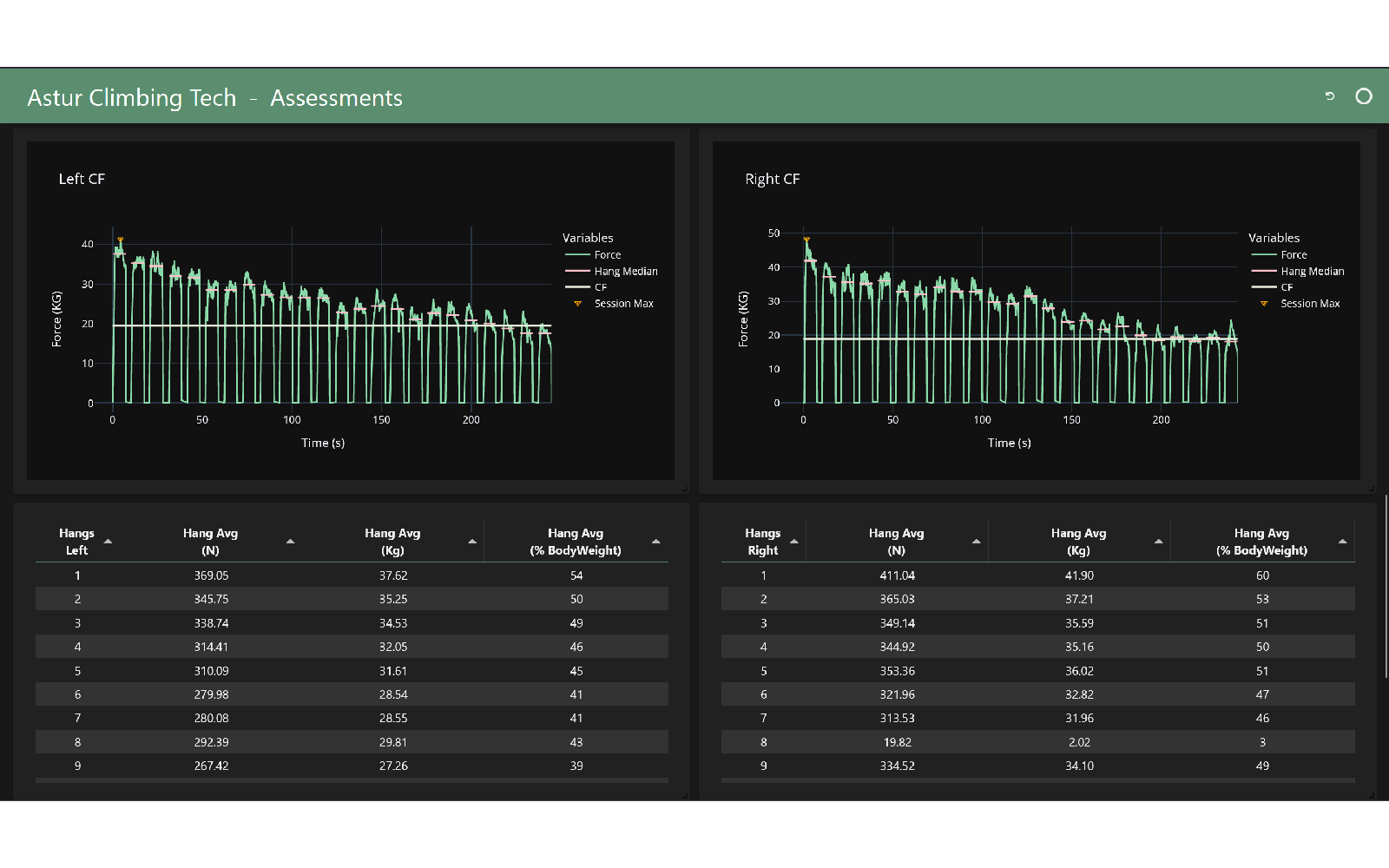
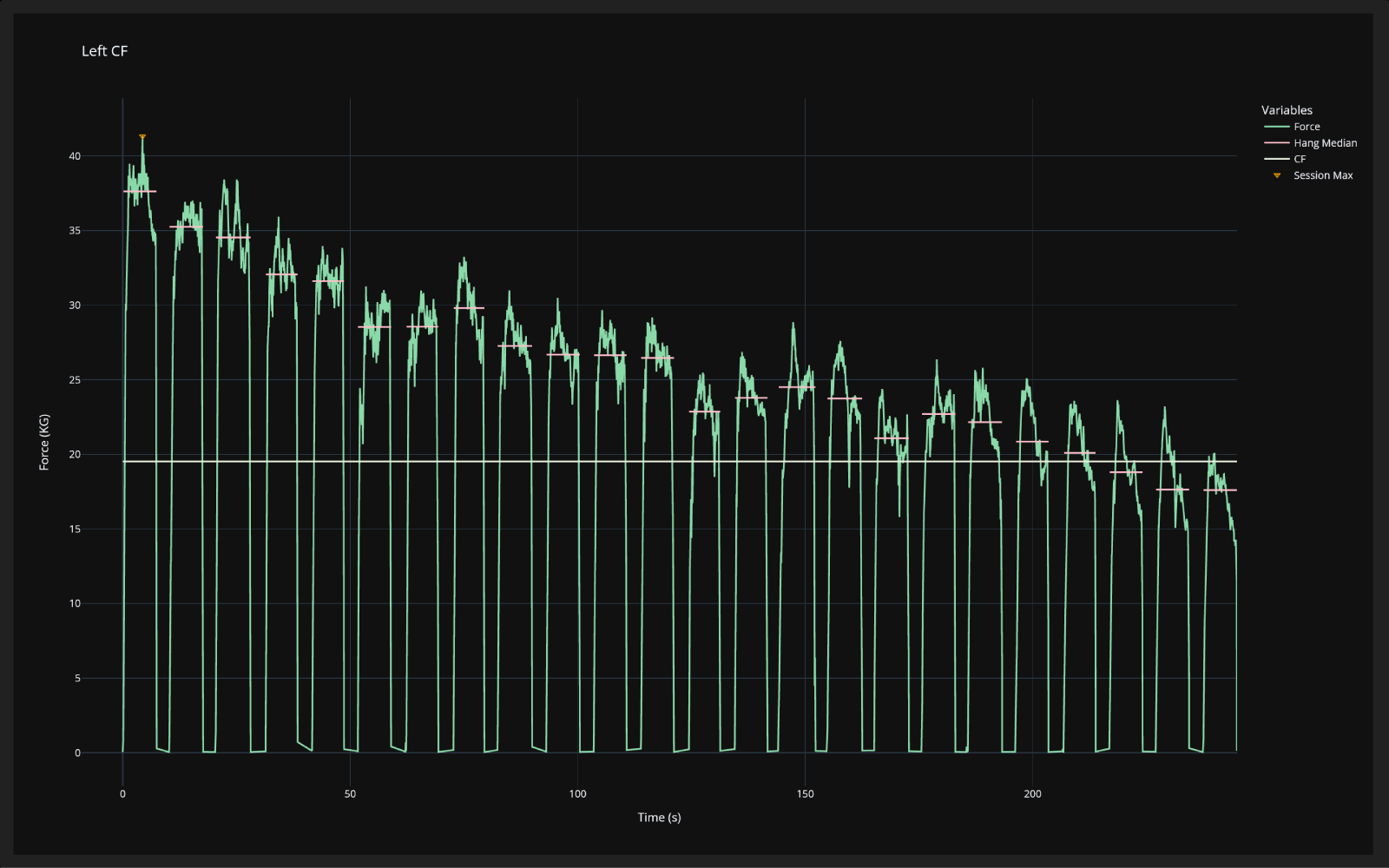
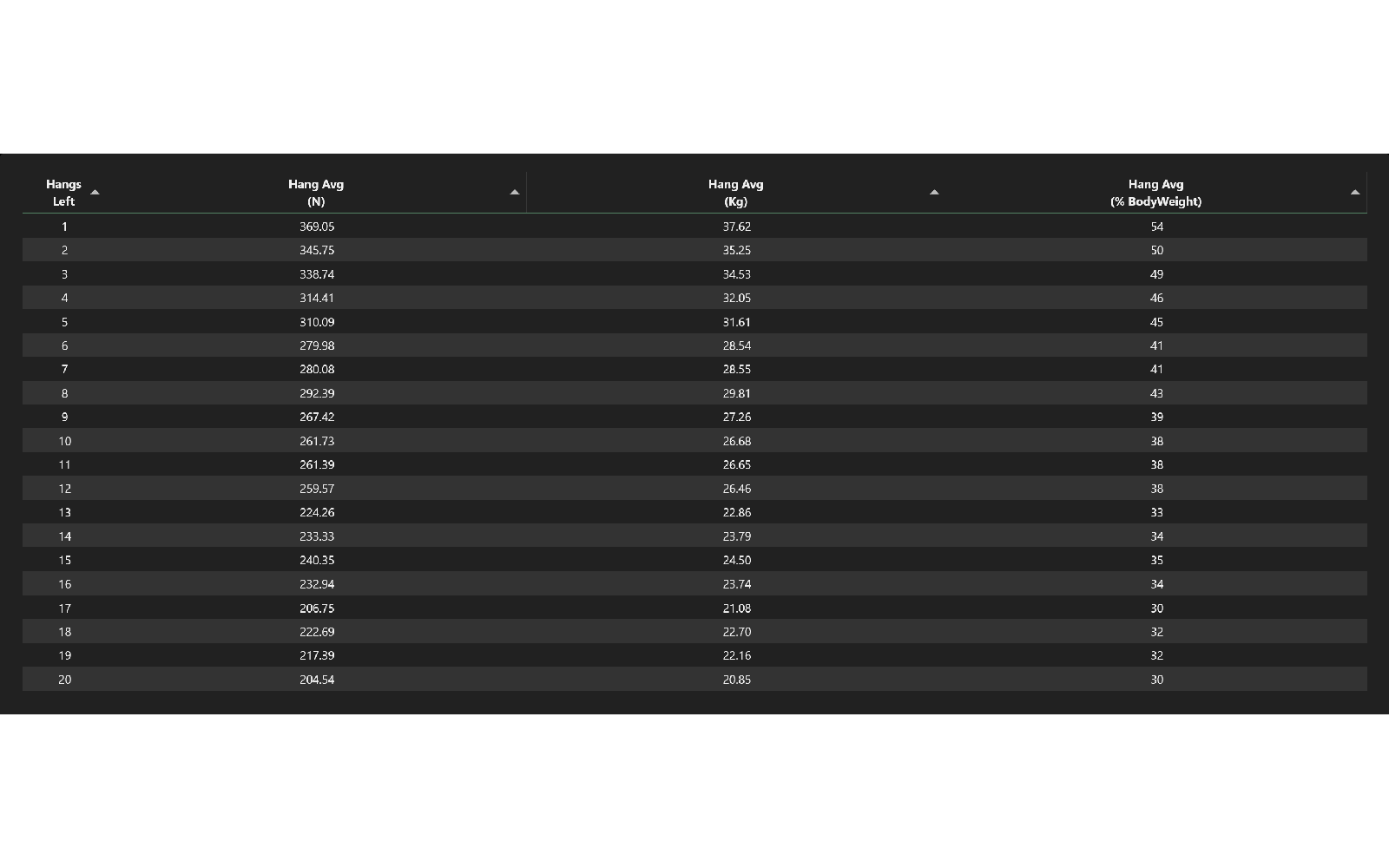
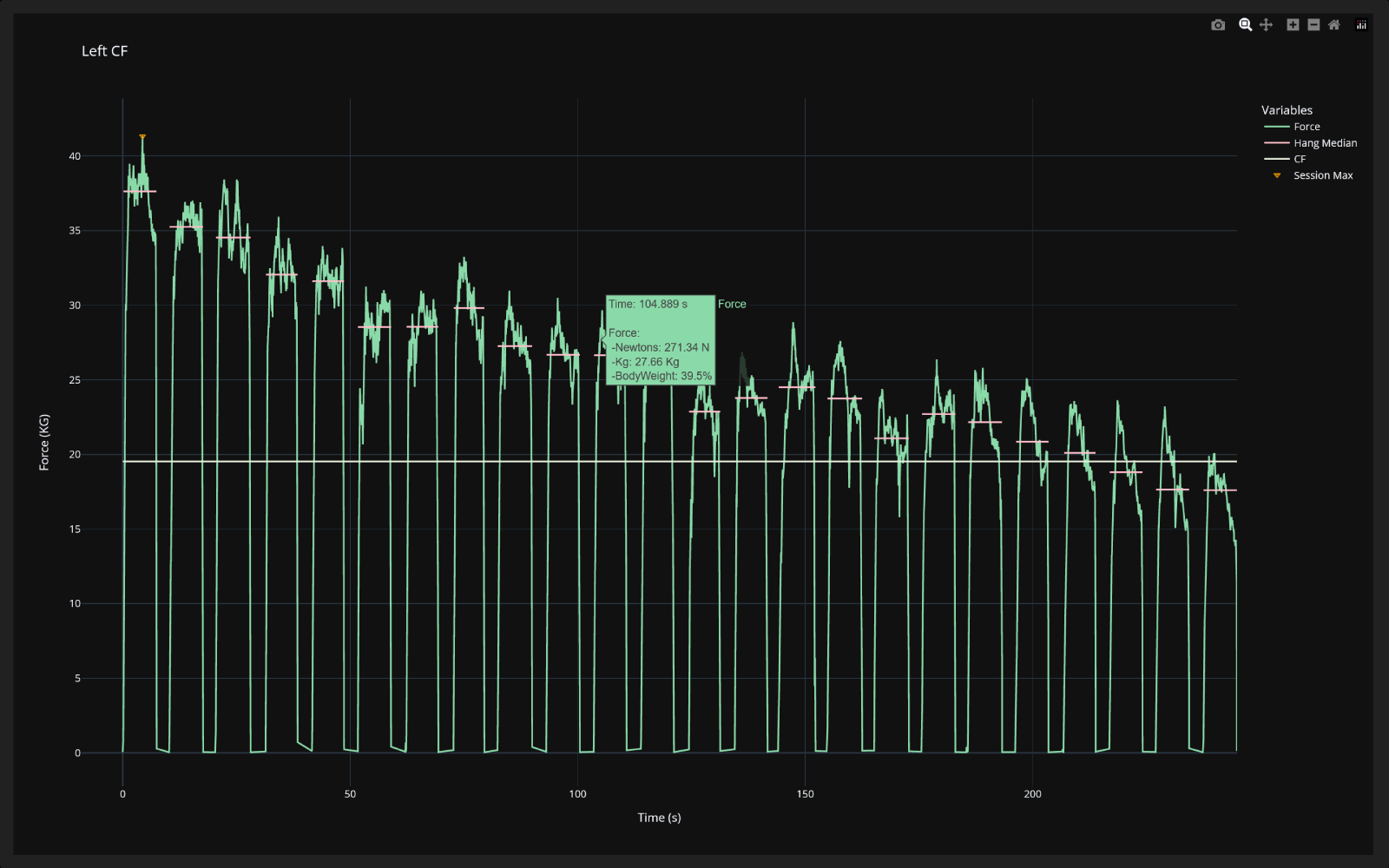
Critical Force Assessment
- Critical Force assessments of both hands in your chosen grip.
- Interactive dashboard of the session with easy to understand charts and tables
- 15% discount for follow up
Components of Critical Force:
- Short-Term Maximum Strength: The Critical Force Test assesses an athlete’s finger strength. It reveals the maximum strength available for short bursts of effort.
- Long-Term Muscular Endurance: Critical force also gauges an athlete’s ability to maintain sustained effort over time. It’s not just about explosive power; it’s about enduring.
- Energy Storage: The forearms play a crucial role in climbing. Critical force helps determine how efficiently an athlete’s forearms store and release energy during climbs.
Practical Application:
- Imagine a long, sustained climb—critical force determines whether you can maintain your grip and movement without fatiguing prematurely.
- For sport climbers aiming to send challenging routes, optimizing critical force is essential. It’s the ticket to climbing harder and longer.
| Title | Info |
|---|---|
| Grip | Half crimp or Open/Chisel |
| Hand | Both |
| Length of assessment | 1 hour |
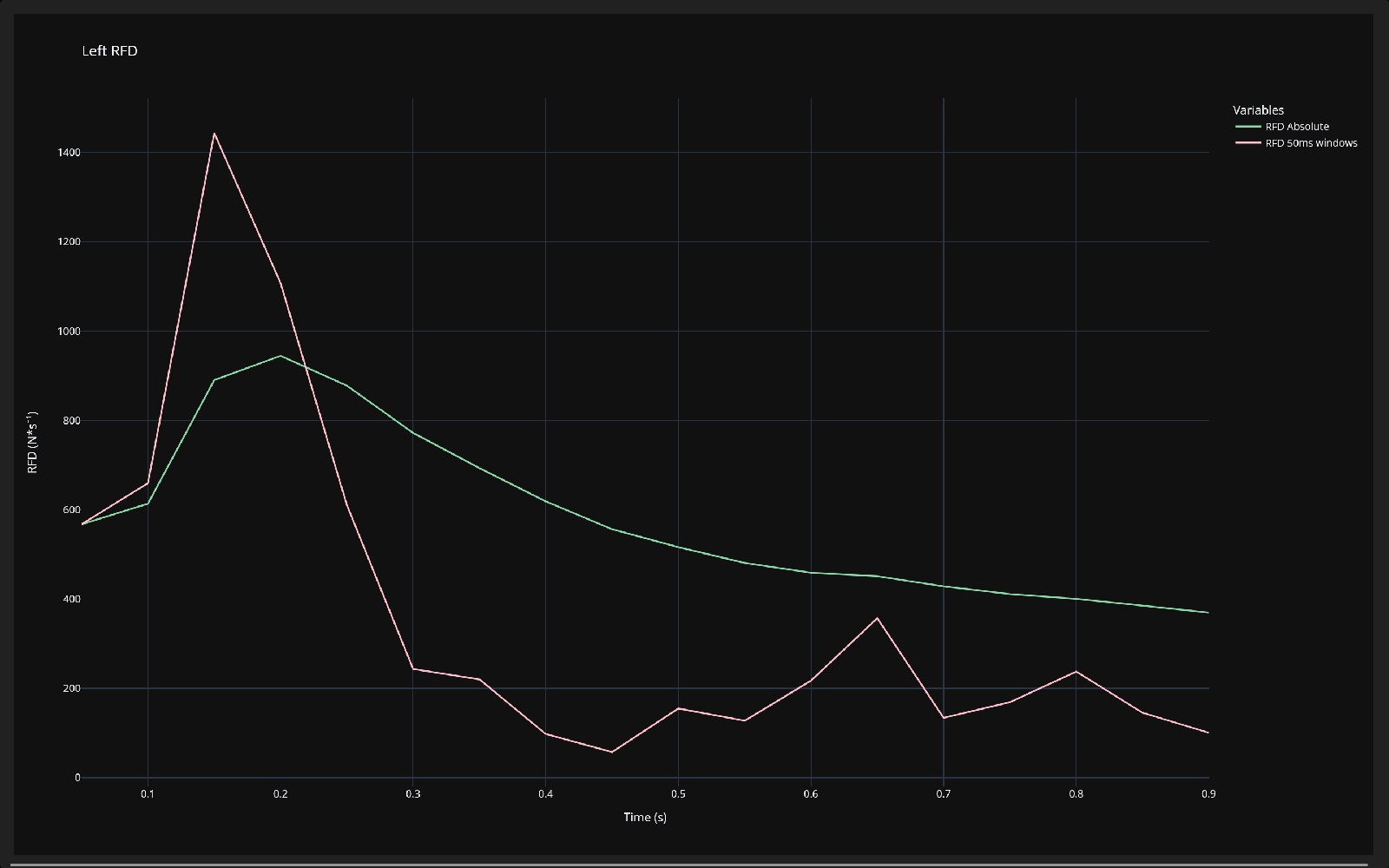
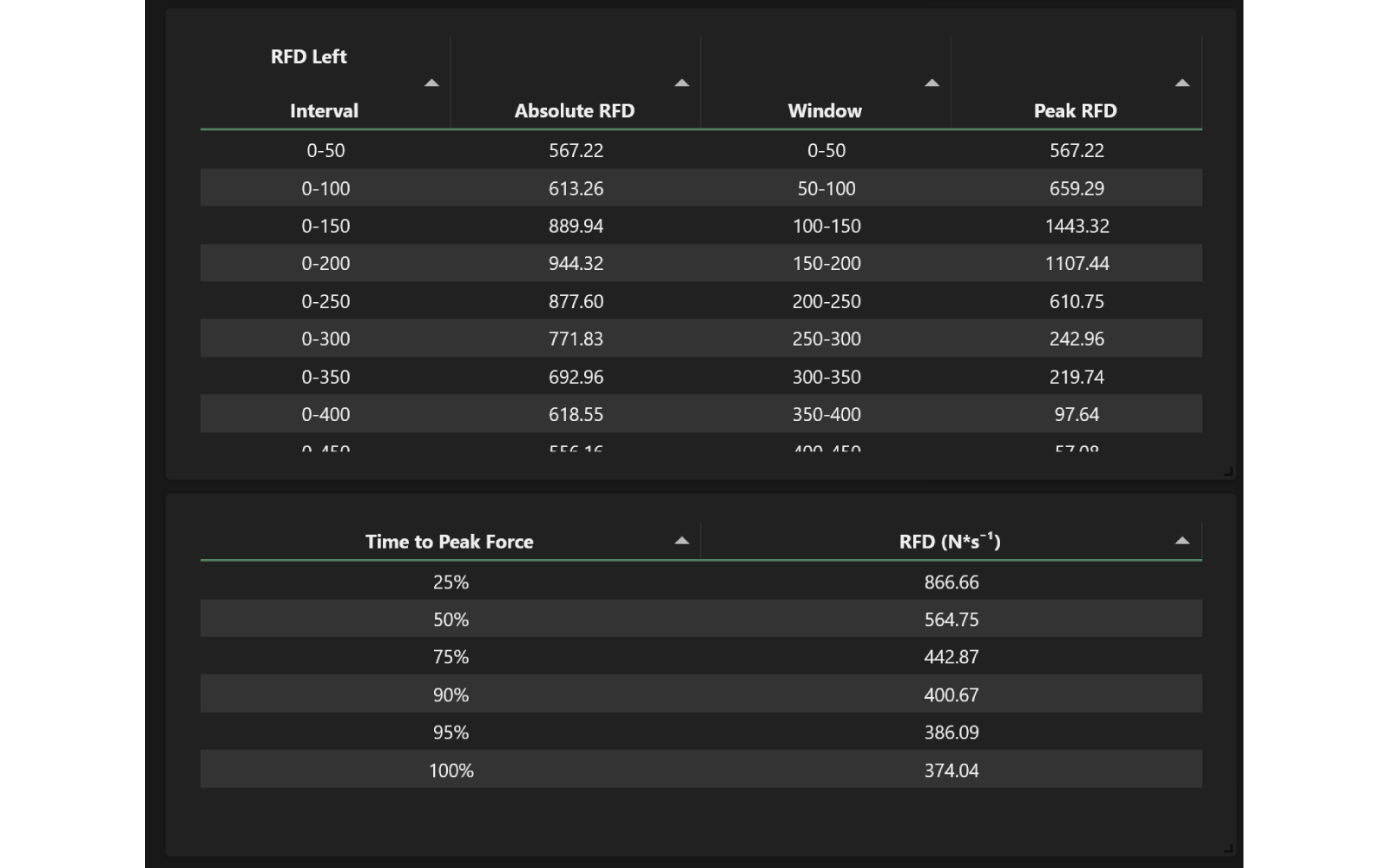
| Extras | You will get a detailed chart of the assessments along with a complete chart and table of the RFD breakdown |
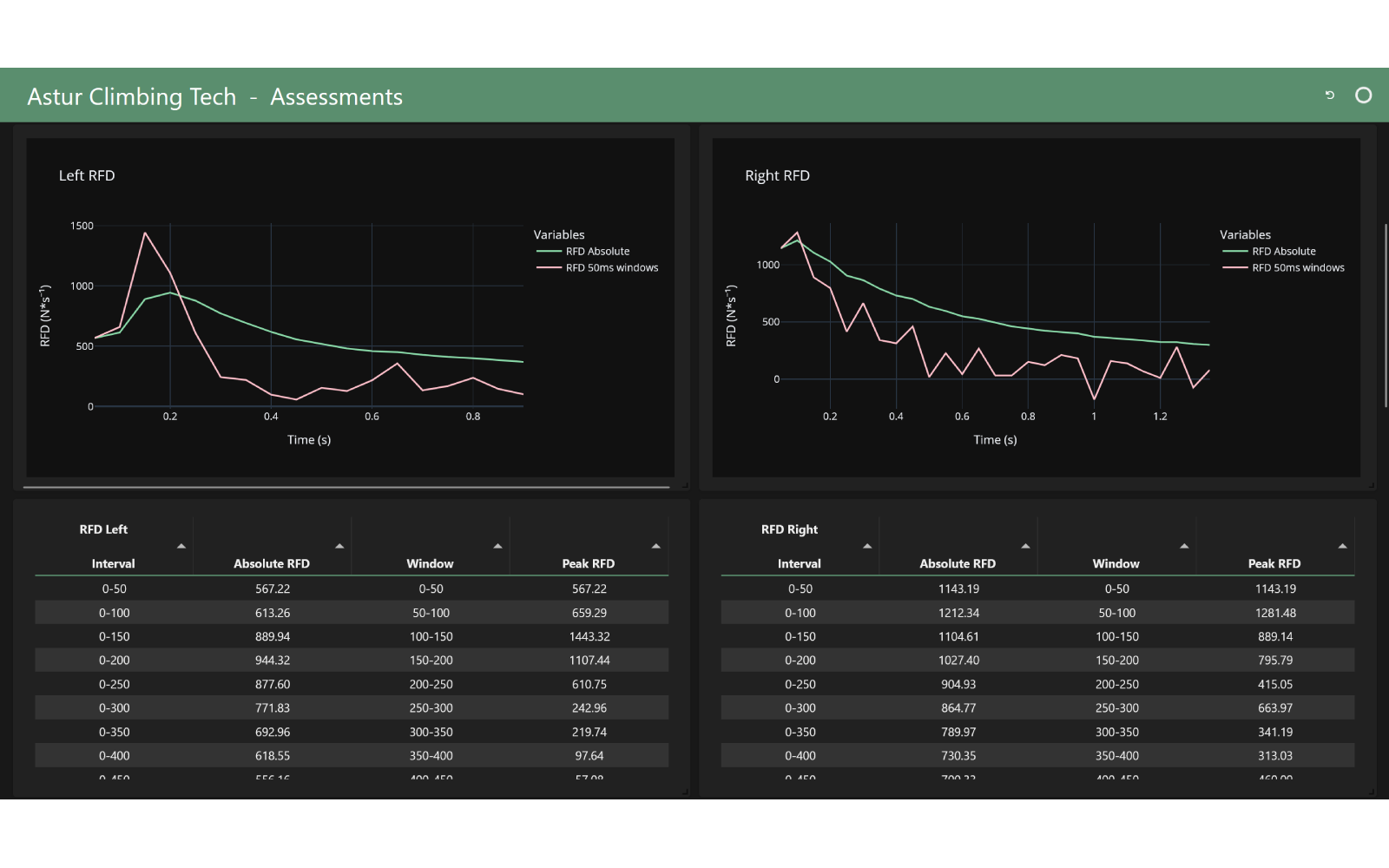
RFD Assessment
- Rate of Force Development assessments of both hands in your chosen grip.
- Interactive dashboard of the session with easy to understand charts and tables
- 15% discount for follow up
Practical Applications:
- When climbing challenging routes, especially those with tiny holds and demanding moves, RFD becomes critical, as these situations demand force exertion within tight time windows to prevent falling.
- Dynamic Moves: Climbing involves dynamic movements, latching holds, launching for distant grips, or pulling through cruxes. A high RFD enables you to execute these moves swiftly.
- RFD is crucial for injury prevention in climbing. When climbers lack sufficient RFD, they may resort to awkward movements or excessive strain on tendons and ligaments to compensate for the lack of explosive power. This can increase the risk of overuse injuries and strain on the connective tissues.
| Title | Info |
|---|---|
| Grip | Half crimp or Open/Chisel |
| Hand | Both |
| Length of assessment | 30 min |
| Extras | You will get a detailed chart of the assessments along with a complete chart and table of the RFD breakdown |
MVC Assessment
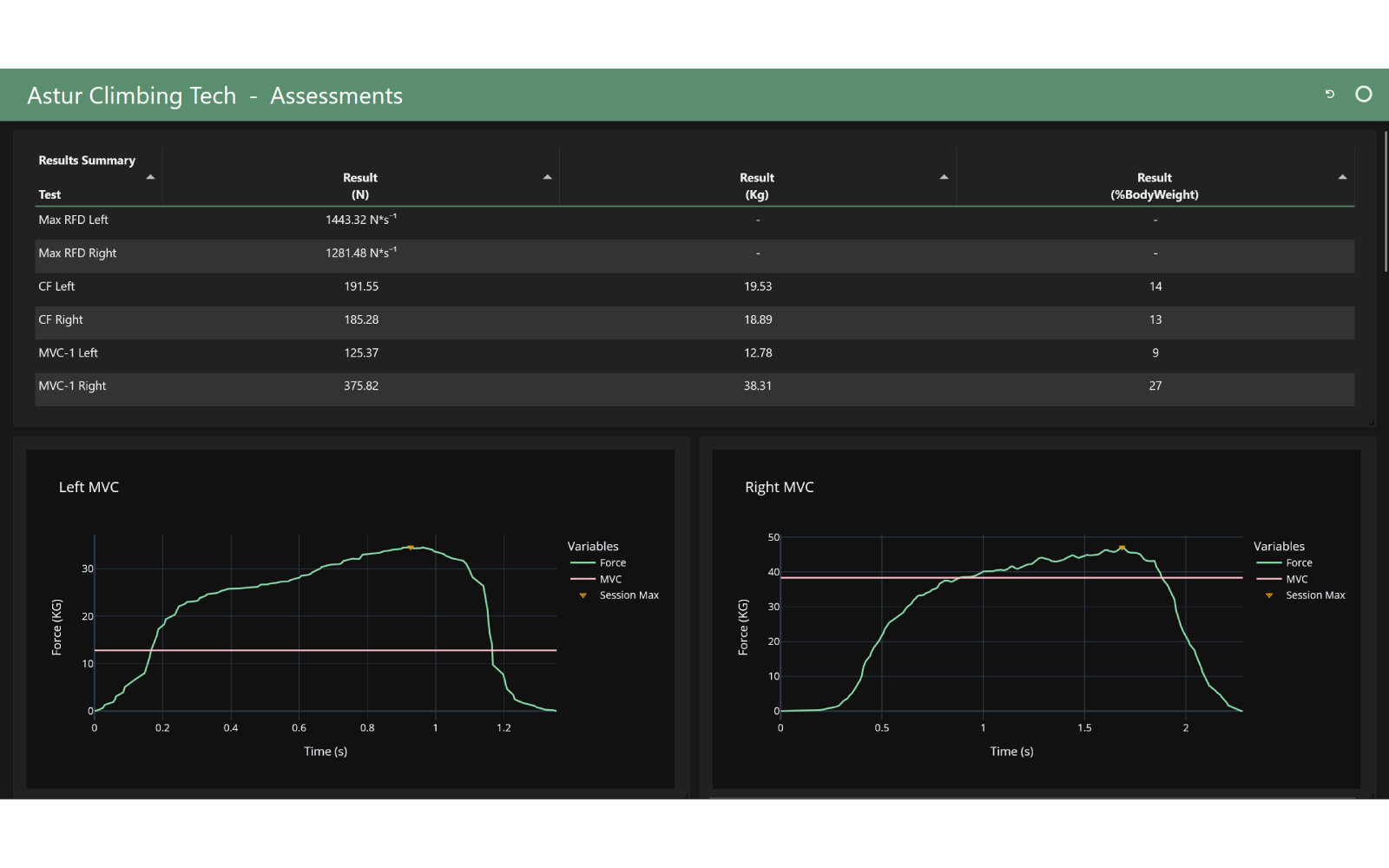
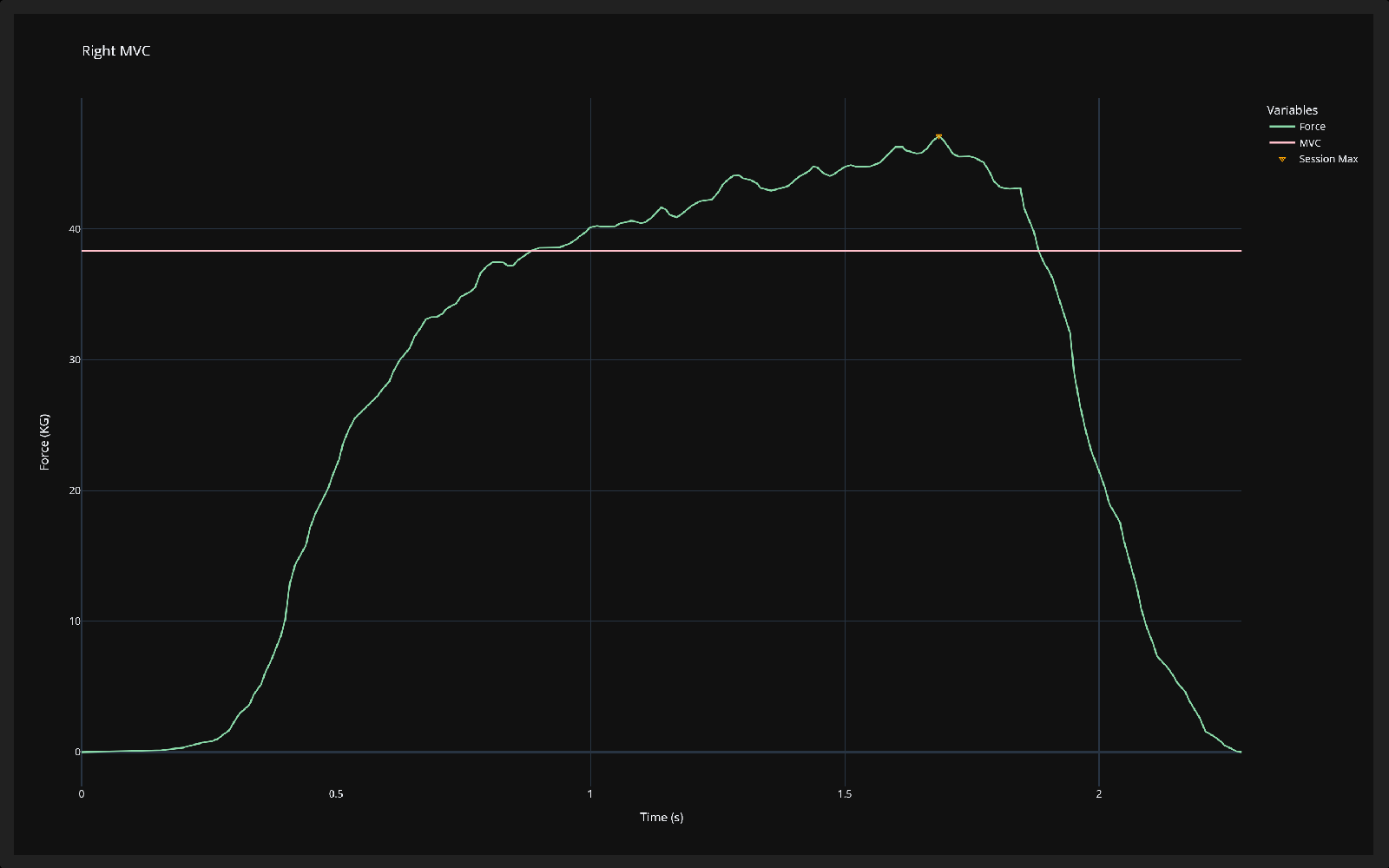
- Maximum Voluntary Contraction assessments of both hands in your chosen grip for 5s, 7s and 10s periods
- Interactive dashboard of the session with easy to understand charts and tables
- 15% discount for follow up
Practical Applications:
- The importance of MVC lies in its direct correlation with performance. A climber with a higher MVC can exert more force, enabling them to tackle more demanding routes or make harder moves.
- Increasing MVC not only improves climbing performance but also reduces the risk of injury. Stronger muscles can better support the climber's body weight and absorb shock, reducing the strain on tendons and ligaments. Additionally, a higher MVC allows climbers to maintain control and stability, decreasing the likelihood of falls or slips.
- Knowing your MVC helps tailor training programs and identify areas for improvement.
| Title | Info |
|---|---|
| Grip | Half crimp or Open/Chisel |
| Length of assessment | 30 min |
| Extras | Complete chart of sessions |
Power Endurance Assessment
- Power Endurance assessments of both hands in your chosen grip.
- Interactive dashboard of the session with easy to understand charts and tables
- 15% discount for follow up
Practical Application:
- By enhancing your power endurance, you’ll be better equipped to handle sustained sequences, cruxes, and demanding sections. You’ll be less likely to pump out early, allowing you to complete longer routes with confidence.
| Title | Info |
|---|---|
| Grip | Half crimp or Open/Chisel |
| Length of assessment | 1 hour |
| Extras | You will get a detailed charts of results, showing: the complete session, estimated power endurance |